

- Tham gia
- 11/2/26
- Bài viết
- 24
- Thích
- 0
- Điểm
- 1
As we age, the delicate skin around our eyes often becomes the first place to show signs of fatigue and time. Droopy eyelids or puffiness can make you look tired even when you are well-rested. Traditional surgery used to be the only fix, but today, Laser Eyelid Surgery offers a modern, minimally invasive alternative to the classic blepharoplasty.
What is Laser Eyelid Surgery?
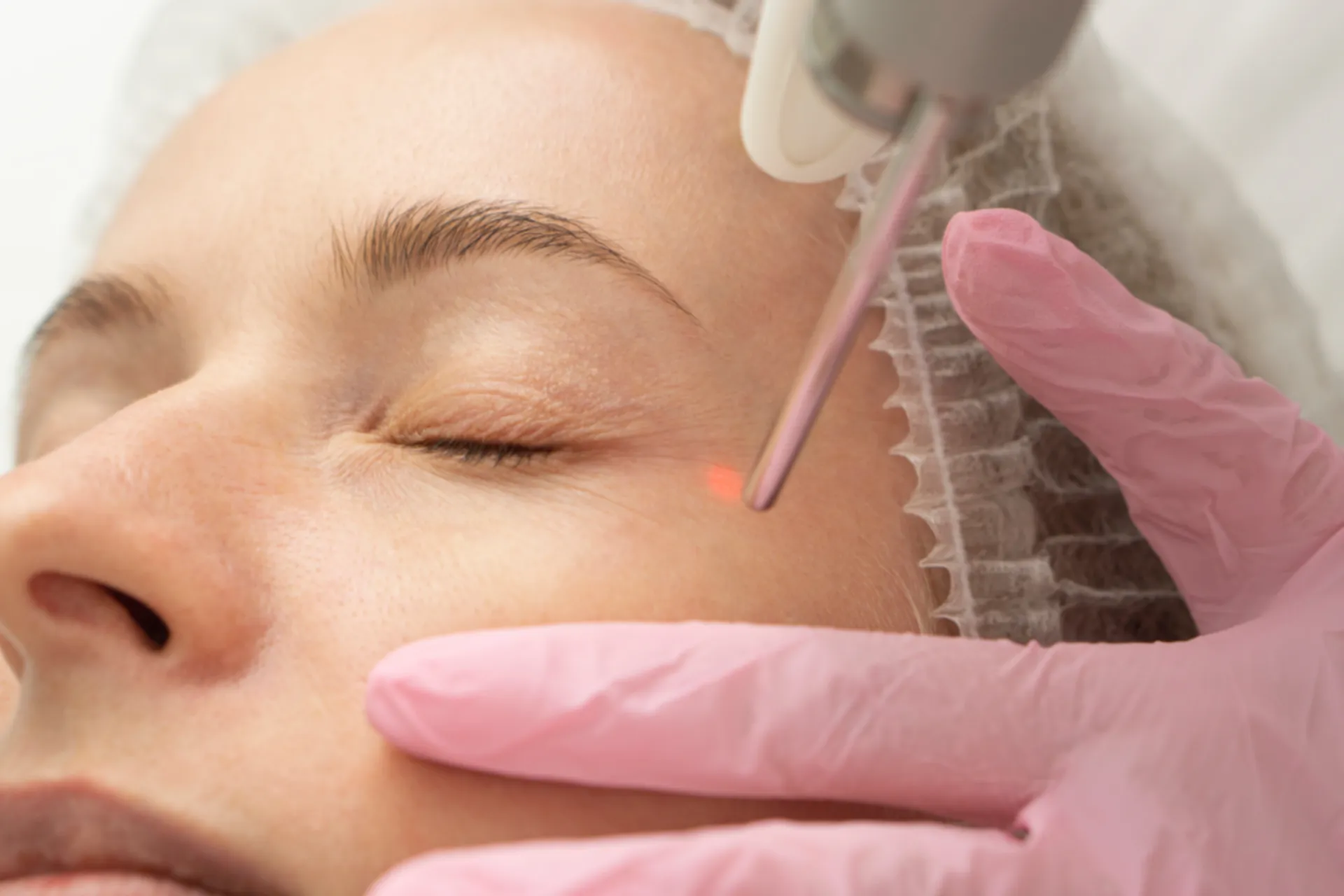
Laser Eyelid Surgery, or laser blepharoplasty, is a cosmetic procedure that uses a focused beam of light (typically a CO2 laser) to make incisions and remove excess fat or skin. Unlike traditional methods that rely on scalpels, the laser cauterizes blood vessels as it cuts. This technical advantage results in significantly less bleeding and trauma to the surrounding tissues.
https://aestheticsurgeryvietnam.com/what-is-laser-blepharoplasty-eyelid-surgery
The Benefits of a Minimally Invasive Approach
Choosing a laser-assisted procedure over traditional surgery comes with several distinct benefits:
Upper vs. Lower Laser Blepharoplasty
The procedure can be tailored to address specific concerns on both the upper and lower lids:
While "minimally invasive" means a smoother journey, your body still needs time to heal. During the first 24 to 48 hours, you may experience mild redness or a tight sensation. Surgeons typically recommend:
Is Laser Eyelid Surgery Right for You?
The ideal candidate is someone in good health with realistic expectations who wants to correct sagging skin or under-eye puffiness. However, a consultation with a board-certified specialist is essential to determine if your skin elasticity and anatomy are suited for the laser technique.
What is Laser Eyelid Surgery?
Laser Eyelid Surgery, or laser blepharoplasty, is a cosmetic procedure that uses a focused beam of light (typically a CO2 laser) to make incisions and remove excess fat or skin. Unlike traditional methods that rely on scalpels, the laser cauterizes blood vessels as it cuts. This technical advantage results in significantly less bleeding and trauma to the surrounding tissues.
https://aestheticsurgeryvietnam.com/what-is-laser-blepharoplasty-eyelid-surgery
The Benefits of a Minimally Invasive Approach
Choosing a laser-assisted procedure over traditional surgery comes with several distinct benefits:
- Reduced Swelling and Bruising: Because the laser seals blood vessels instantly, patients experience far less postoperative bruising.
- Precision: The laser allows surgeons to work with extreme accuracy, which is vital in the small, sensitive area of the eyelids.
- Faster Recovery: Most patients can return to their normal daily activities much sooner than they would with a traditional scalpel-based surgery.
- Minimal Scarring: The precision of the laser often results in finer, less noticeable incision lines that fade quickly.
Upper vs. Lower Laser Blepharoplasty
The procedure can be tailored to address specific concerns on both the upper and lower lids:
- Upper Eyelid Surgery: Focuses on removing "hooded" skin that can sometimes even obstruct vision. The laser creates a clean line in the natural fold of the lid.
- Lower Eyelid Surgery: Primarily targets "bags" under the eyes. Surgeons often use a transconjunctival approach (inside the eyelid), leaving no visible external scars.
While "minimally invasive" means a smoother journey, your body still needs time to heal. During the first 24 to 48 hours, you may experience mild redness or a tight sensation. Surgeons typically recommend:
- Applying cold compresses to manage minor swelling.
- Using prescribed lubricating eye drops to prevent dryness.
- Avoiding strenuous exercise for at least one week.
- Wearing dark sunglasses to protect the sensitive area from UV rays.
Is Laser Eyelid Surgery Right for You?
The ideal candidate is someone in good health with realistic expectations who wants to correct sagging skin or under-eye puffiness. However, a consultation with a board-certified specialist is essential to determine if your skin elasticity and anatomy are suited for the laser technique.