
- Tham gia
- 23/2/26
- Bài viết
- 19
- Thích
- 0
- Điểm
- 1
Gum health is a critical component of overall oral wellness, yet it is often overlooked until symptoms become noticeable. At SmileNote, dental professionals frequently emphasize that maintaining healthy gums is just as important as protecting teeth from cavities. One of the most common conditions affecting gum health is gum disease, a progressive inflammatory condition that can lead to tooth loss if left untreated. Understanding the causes, early warning signs, and effective prevention strategies can help individuals protect both their oral health and their overall well-being.
What Is Gum Disease?
Gum disease, medically known as periodontal disease, refers to an infection and inflammation of the tissues that support the teeth. These tissues include the gums, periodontal ligament, and the bone surrounding the teeth. The condition usually begins with a mild form called gingivitis, which is characterized by gum irritation and bleeding during brushing or flossing.

If gingivitis is not addressed, it can progress to periodontitis, a more severe stage where the supporting structures of the teeth begin to deteriorate. At this stage, pockets may form between the teeth and gums, allowing bacteria to accumulate and damage bone tissue.
According to research often referenced by organizations such as the American Dental Association (ADA), periodontal disease is one of the leading causes of tooth loss in adults worldwide. However, it is largely preventable with proper oral hygiene and regular dental care.
What Causes Gum Disease?
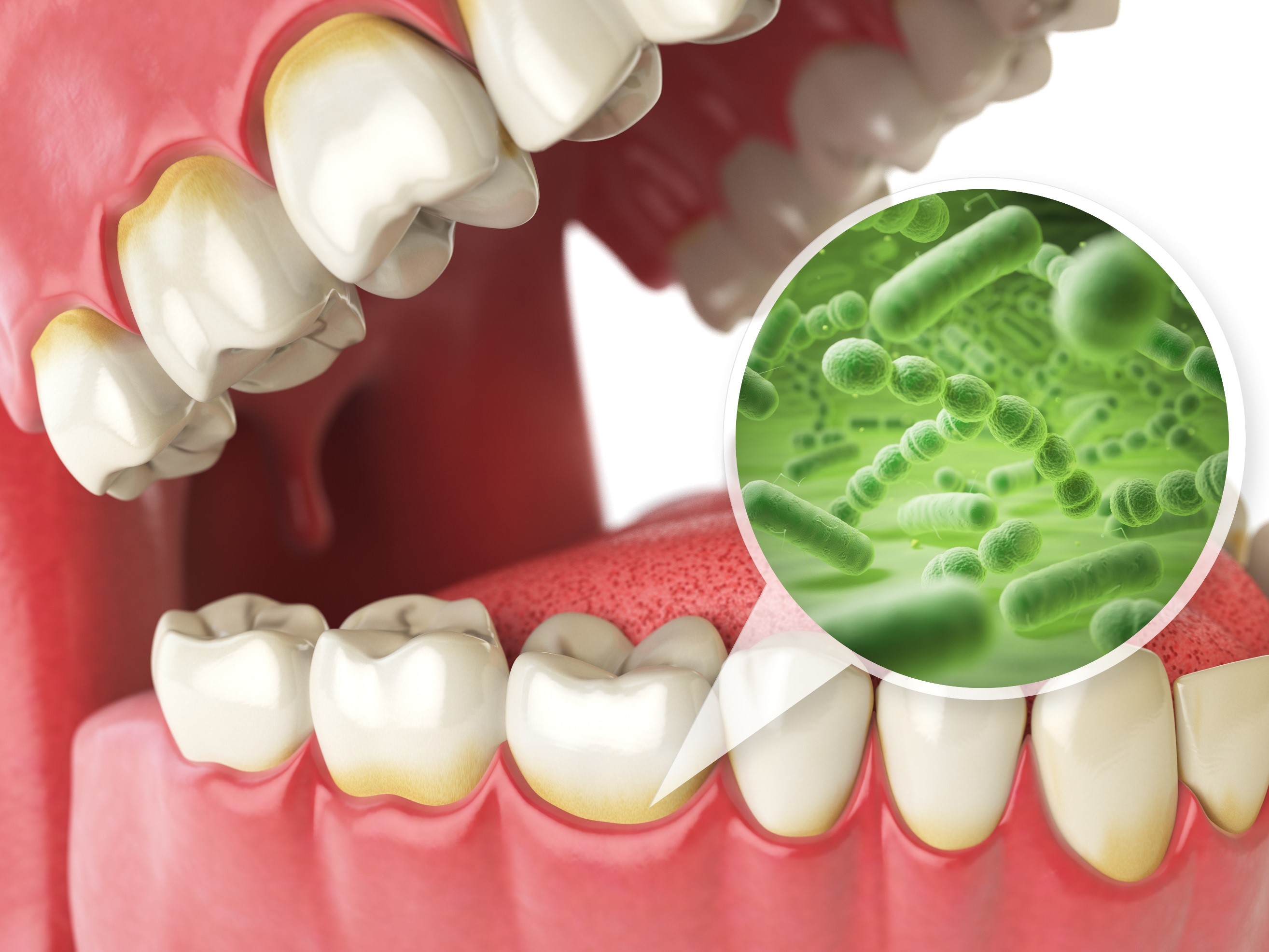
The primary cause of gum disease is the accumulation of dental plaque, a sticky film composed of bacteria and food particles. When plaque is not effectively removed through brushing and flossing, it hardens into tartar (calculus). Tartar cannot be removed with a toothbrush and typically requires professional dental cleaning.
Several factors can increase the risk of developing gum disease:
Poor oral hygiene – Inconsistent brushing and flossing allow plaque to build up around the gum line.
Smoking and tobacco use – Tobacco significantly increases the likelihood of periodontal disease and can reduce the effectiveness of treatment.
Hormonal changes – Pregnancy, menopause, or hormonal fluctuations can make gums more sensitive and prone to inflammation.
Medical conditions – Diseases such as diabetes can affect the body's ability to fight infection, including gum infections.
Certain medications – Some drugs may reduce saliva flow or cause gum tissue changes that increase susceptibility to infection.
Because gum disease develops gradually, many individuals may not notice the early signs until the condition has already progressed.
Common Symptoms to Watch For
Early detection is important because the initial stage of gum disease can often be reversed with improved oral hygiene and professional care. Some common symptoms include:
Why Gum Health Matters for Overall Health
Research over the past two decades has shown potential links between periodontal disease and several systemic health conditions. While the exact relationship is still being studied, inflammation and oral bacteria may play a role in broader health outcomes.
Studies referenced by institutions such as the Mayo Clinic and NHS have explored associations between gum disease and conditions including:
Effective Prevention Strategies
Preventing gum disease generally involves maintaining consistent oral hygiene habits and visiting a dental professional regularly. The following practices are widely recommended by dental health organizations:
Brush Properly Twice a Day
Brushing with a fluoride toothpaste for at least two minutes helps remove plaque from the tooth surfaces and along the gum line. Using a soft-bristled toothbrush can help protect gum tissue from unnecessary irritation.
Clean Between Teeth Daily
Flossing or using interdental cleaners removes plaque from areas that a toothbrush cannot reach. This step is essential for preventing bacterial buildup between teeth.
Schedule Regular Dental Checkups
Professional dental examinations and cleanings allow dentists to remove hardened tartar and detect early signs of gum disease before serious damage occurs.
Maintain a Balanced Diet
Limiting sugary snacks and maintaining adequate nutrition supports overall oral health. Vitamins such as vitamin C play a role in maintaining healthy gum tissue.
Avoid Tobacco Products
Reducing or eliminating tobacco use can significantly lower the risk of periodontal disease and improve treatment outcomes.
When to Seek Professional Advice
If symptoms such as persistent bleeding gums, gum recession, or tooth mobility occur, it is important to consult a dentist or dental hygienist. Early intervention can often stop gum disease from progressing and may prevent more complex treatments later.
Dental professionals may recommend treatments such as scaling and root planing, antimicrobial therapy, or other periodontal procedures depending on the severity of the condition.
Conclusion
Gum disease is a common but preventable condition that can have significant consequences if left untreated. By understanding its causes, recognizing early symptoms, and maintaining consistent oral hygiene habits, individuals can greatly reduce their risk of developing periodontal problems.
Regular dental visits, proper brushing and flossing techniques, and lifestyle choices such as avoiding tobacco all contribute to long-term gum health. Protecting the gums ultimately helps preserve natural teeth and supports overall health throughout life.
What Is Gum Disease?
Gum disease, medically known as periodontal disease, refers to an infection and inflammation of the tissues that support the teeth. These tissues include the gums, periodontal ligament, and the bone surrounding the teeth. The condition usually begins with a mild form called gingivitis, which is characterized by gum irritation and bleeding during brushing or flossing.
If gingivitis is not addressed, it can progress to periodontitis, a more severe stage where the supporting structures of the teeth begin to deteriorate. At this stage, pockets may form between the teeth and gums, allowing bacteria to accumulate and damage bone tissue.
According to research often referenced by organizations such as the American Dental Association (ADA), periodontal disease is one of the leading causes of tooth loss in adults worldwide. However, it is largely preventable with proper oral hygiene and regular dental care.
What Causes Gum Disease?
The primary cause of gum disease is the accumulation of dental plaque, a sticky film composed of bacteria and food particles. When plaque is not effectively removed through brushing and flossing, it hardens into tartar (calculus). Tartar cannot be removed with a toothbrush and typically requires professional dental cleaning.
Several factors can increase the risk of developing gum disease:
Poor oral hygiene – Inconsistent brushing and flossing allow plaque to build up around the gum line.
Smoking and tobacco use – Tobacco significantly increases the likelihood of periodontal disease and can reduce the effectiveness of treatment.
Hormonal changes – Pregnancy, menopause, or hormonal fluctuations can make gums more sensitive and prone to inflammation.
Medical conditions – Diseases such as diabetes can affect the body's ability to fight infection, including gum infections.
Certain medications – Some drugs may reduce saliva flow or cause gum tissue changes that increase susceptibility to infection.
Because gum disease develops gradually, many individuals may not notice the early signs until the condition has already progressed.
Common Symptoms to Watch For
Early detection is important because the initial stage of gum disease can often be reversed with improved oral hygiene and professional care. Some common symptoms include:
- Red, swollen, or tender gums
- Bleeding during brushing or flossing
- Persistent bad breath
- Receding gums or teeth appearing longer
- Loose teeth or changes in bite alignment
Why Gum Health Matters for Overall Health
Research over the past two decades has shown potential links between periodontal disease and several systemic health conditions. While the exact relationship is still being studied, inflammation and oral bacteria may play a role in broader health outcomes.
Studies referenced by institutions such as the Mayo Clinic and NHS have explored associations between gum disease and conditions including:
- Cardiovascular disease
- Diabetes complications
- Respiratory infections
- Adverse pregnancy outcomes
Effective Prevention Strategies
Preventing gum disease generally involves maintaining consistent oral hygiene habits and visiting a dental professional regularly. The following practices are widely recommended by dental health organizations:
Brush Properly Twice a Day
Brushing with a fluoride toothpaste for at least two minutes helps remove plaque from the tooth surfaces and along the gum line. Using a soft-bristled toothbrush can help protect gum tissue from unnecessary irritation.
Clean Between Teeth Daily
Flossing or using interdental cleaners removes plaque from areas that a toothbrush cannot reach. This step is essential for preventing bacterial buildup between teeth.
Schedule Regular Dental Checkups
Professional dental examinations and cleanings allow dentists to remove hardened tartar and detect early signs of gum disease before serious damage occurs.
Maintain a Balanced Diet
Limiting sugary snacks and maintaining adequate nutrition supports overall oral health. Vitamins such as vitamin C play a role in maintaining healthy gum tissue.
Avoid Tobacco Products
Reducing or eliminating tobacco use can significantly lower the risk of periodontal disease and improve treatment outcomes.
When to Seek Professional Advice
If symptoms such as persistent bleeding gums, gum recession, or tooth mobility occur, it is important to consult a dentist or dental hygienist. Early intervention can often stop gum disease from progressing and may prevent more complex treatments later.
Dental professionals may recommend treatments such as scaling and root planing, antimicrobial therapy, or other periodontal procedures depending on the severity of the condition.
Conclusion
Gum disease is a common but preventable condition that can have significant consequences if left untreated. By understanding its causes, recognizing early symptoms, and maintaining consistent oral hygiene habits, individuals can greatly reduce their risk of developing periodontal problems.
Regular dental visits, proper brushing and flossing techniques, and lifestyle choices such as avoiding tobacco all contribute to long-term gum health. Protecting the gums ultimately helps preserve natural teeth and supports overall health throughout life.
Sửa lần cuối: