
- Tham gia
- 23/2/26
- Bài viết
- 19
- Thích
- 0
- Điểm
- 1
Teeth whitening has become one of the most widely requested cosmetic dental procedures in recent years. Many people seek whiter teeth to improve their smile, boost confidence, or simply maintain a clean and healthy appearance. However, despite its popularity, questions about safety, effectiveness, and proper methods remain common.
Before deciding to whiten your teeth, it is important to understand how whitening works, what factors influence results, and why professional guidance matters. According to organizations such as the American Dental Association (ADA) and the National Health Service (NHS), whitening treatments should always be approached carefully to avoid unnecessary risks.
This article explores the science behind teeth whitening, available treatment options, potential risks, and what patients should consider before starting any whitening procedure.
What Is Teeth Whitening?
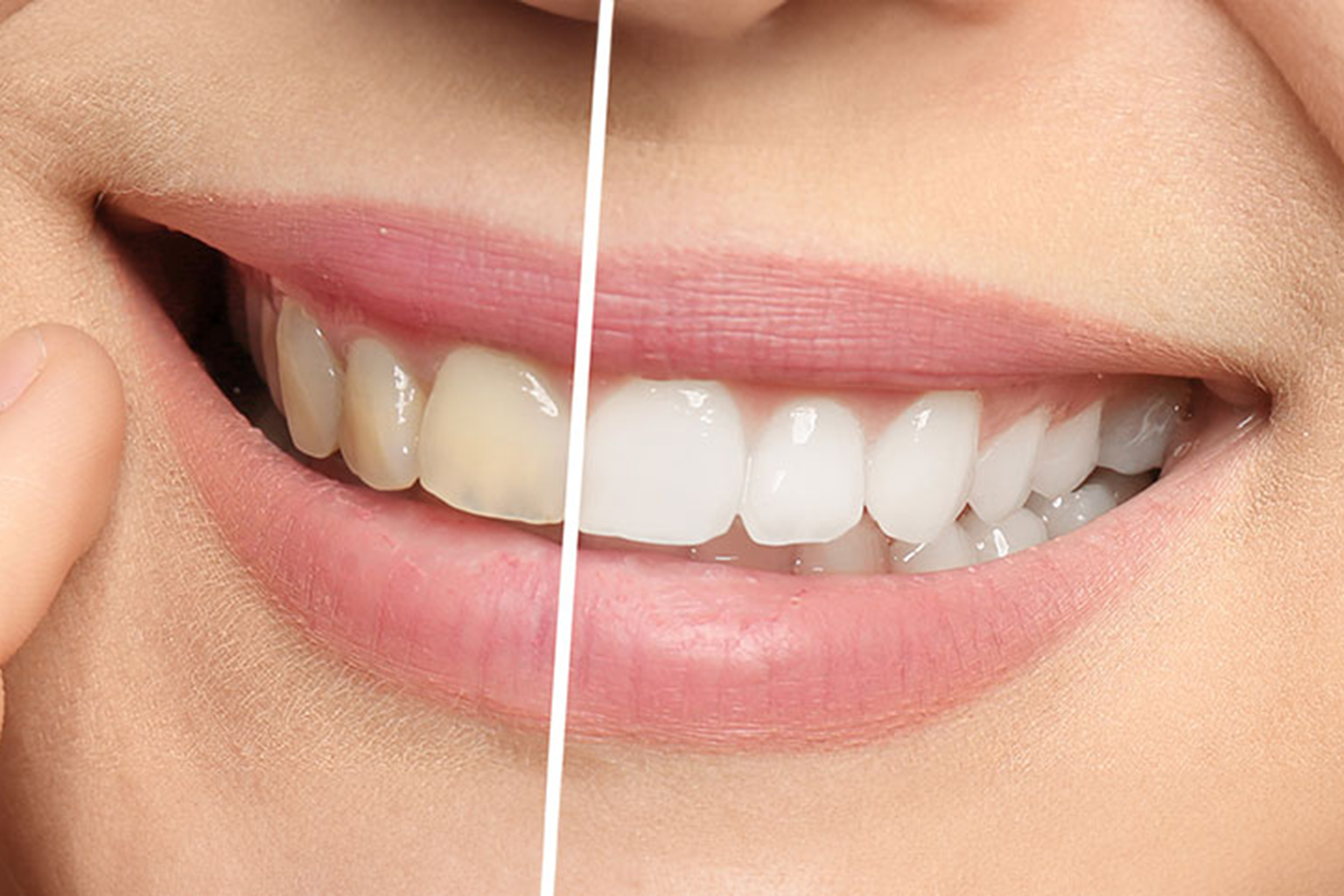
Teeth whitening is a cosmetic dental procedure designed to lighten the natural color of teeth by removing stains and discoloration. Over time, teeth can become darker due to a variety of factors, including diet, lifestyle habits, and natural aging.
Whitening treatments typically involve the use of peroxide-based bleaching agents, such as hydrogen peroxide or carbamide peroxide. These compounds break down stains on the enamel and dentin layers of the tooth, resulting in a brighter appearance.
Dental professionals often classify tooth discoloration into two main categories:
Extrinsic stains
These occur on the outer surface of the tooth and are commonly caused by substances such as coffee, tea, red wine, or tobacco.
Intrinsic stains
These develop inside the tooth structure and may be linked to aging, trauma, certain medications, or developmental conditions.
Understanding the type of discoloration is important because not all stains respond equally well to whitening treatments.
Common Causes of Tooth Discoloration
Tooth color changes gradually over time, and several factors contribute to this process.
Dietary habits
Certain foods and beverages contain pigments that attach to tooth enamel. Drinks like coffee, tea, and cola are especially known for causing long-term staining.
Tobacco use
Smoking or chewing tobacco can lead to persistent yellow or brown discoloration due to tar and nicotine deposits.
Natural aging
As people age, the outer enamel layer gradually becomes thinner. This allows the darker dentin layer beneath the enamel to show through more prominently.
Medications
Some antibiotics, particularly tetracycline taken during childhood, may cause internal tooth discoloration.
Poor oral hygiene
Inadequate brushing and flossing can allow plaque and stains to accumulate, making teeth appear darker over time.
Identifying the cause of discoloration helps dental professionals determine whether whitening is the most appropriate solution.
Types of Teeth Whitening Treatments
Several whitening options are available today, ranging from professional dental treatments to over-the-counter products. Each method varies in effectiveness, safety, and supervision.
Professional in-office whitening
This procedure is performed by a licensed dental professional using high-concentration bleaching agents. A protective barrier is applied to the gums before the whitening solution is activated with light or heat.
Professional whitening typically produces noticeable results in a single visit.
Dentist-supervised take-home kits
Dentists may provide custom-made trays along with whitening gel that patients can use at home over several days or weeks.
Because the trays are designed specifically for the patient’s teeth, the gel spreads evenly and reduces the risk of gum irritation.
Over-the-counter whitening products
Many retail products are available, including whitening strips, toothpaste, and gels. These options usually contain lower concentrations of bleaching agents and may require longer use to achieve visible results.
While these products can help remove mild stains, their results may vary significantly.
Potential Benefits of Teeth Whitening
When performed appropriately, teeth whitening may provide several aesthetic advantages.
First, it can enhance the overall appearance of a smile by reducing visible discoloration. A brighter smile often contributes to improved self-confidence in social and professional settings.
Second, whitening treatments can complement other dental procedures, such as veneers or crowns, by creating a more uniform tooth color.
Finally, many patients find that whitening encourages better oral hygiene habits because they wish to maintain their improved results.
However, cosmetic improvements should always be balanced with oral health considerations.
Possible Risks and Side Effects
Although teeth whitening is generally considered safe when performed under professional guidance, some temporary side effects may occur.
Tooth sensitivity
Some individuals experience increased tooth sensitivity during or after whitening treatments. This sensation usually occurs when whitening agents penetrate the enamel and reach the dentin layer.
Sensitivity typically resolves within a few days.
Gum irritation
If bleaching gel comes into contact with the gums, it may cause temporary irritation or whitening of the gum tissue. This effect usually disappears quickly but highlights the importance of proper application.
Uneven results
Teeth whitening may not produce uniform results in individuals who have dental restorations such as crowns, veneers, or fillings. These materials do not respond to bleaching agents in the same way natural enamel does.
For this reason, dentists often evaluate existing dental work before recommending whitening.
Who May Not Be Suitable for Teeth Whitening?
Whitening treatments are not appropriate for everyone. Dental professionals may advise caution or alternative treatments for certain patients.
For example, individuals with untreated cavities, gum disease, or worn enamel may need dental treatment before considering whitening.
Similarly, pregnant or breastfeeding individuals are often advised to postpone elective cosmetic procedures.
People with severe intrinsic staining may require other cosmetic solutions, such as dental bonding or veneers, instead of bleaching.
A dental examination is therefore an important step before beginning any whitening regimen.
Maintaining Results After Whitening
Teeth whitening results are not permanent. Over time, exposure to staining foods and beverages can gradually darken teeth again.
To help maintain a brighter smile, dentists often recommend several preventive strategies:

When to Seek Professional Advice
Individuals considering teeth whitening should consult a dental professional before starting treatment. A dentist can evaluate oral health conditions, identify the type of discoloration present, and recommend the safest and most effective approach.
Professional guidance helps ensure that whitening treatments do not interfere with existing dental restorations or underlying oral health issues.
Furthermore, a dental professional can help manage potential side effects and adjust treatment methods if necessary.
Conclusion
Teeth whitening is a widely used cosmetic dental procedure that can improve the appearance of a smile when performed appropriately. Understanding the causes of tooth discoloration, available treatment methods, and possible side effects is essential for making informed decisions.
While many whitening products are readily available, professional evaluation remains the safest way to determine whether whitening is suitable for an individual’s specific dental condition. Maintaining good oral hygiene and following professional recommendations can help prolong whitening results while protecting overall oral health.
Before deciding to whiten your teeth, it is important to understand how whitening works, what factors influence results, and why professional guidance matters. According to organizations such as the American Dental Association (ADA) and the National Health Service (NHS), whitening treatments should always be approached carefully to avoid unnecessary risks.
This article explores the science behind teeth whitening, available treatment options, potential risks, and what patients should consider before starting any whitening procedure.
What Is Teeth Whitening?
Teeth whitening is a cosmetic dental procedure designed to lighten the natural color of teeth by removing stains and discoloration. Over time, teeth can become darker due to a variety of factors, including diet, lifestyle habits, and natural aging.
Whitening treatments typically involve the use of peroxide-based bleaching agents, such as hydrogen peroxide or carbamide peroxide. These compounds break down stains on the enamel and dentin layers of the tooth, resulting in a brighter appearance.
Dental professionals often classify tooth discoloration into two main categories:
Extrinsic stains
These occur on the outer surface of the tooth and are commonly caused by substances such as coffee, tea, red wine, or tobacco.
Intrinsic stains
These develop inside the tooth structure and may be linked to aging, trauma, certain medications, or developmental conditions.
Understanding the type of discoloration is important because not all stains respond equally well to whitening treatments.
Common Causes of Tooth Discoloration
Tooth color changes gradually over time, and several factors contribute to this process.
Dietary habits
Certain foods and beverages contain pigments that attach to tooth enamel. Drinks like coffee, tea, and cola are especially known for causing long-term staining.
Tobacco use
Smoking or chewing tobacco can lead to persistent yellow or brown discoloration due to tar and nicotine deposits.
Natural aging
As people age, the outer enamel layer gradually becomes thinner. This allows the darker dentin layer beneath the enamel to show through more prominently.
Medications
Some antibiotics, particularly tetracycline taken during childhood, may cause internal tooth discoloration.
Poor oral hygiene
Inadequate brushing and flossing can allow plaque and stains to accumulate, making teeth appear darker over time.
Identifying the cause of discoloration helps dental professionals determine whether whitening is the most appropriate solution.
Types of Teeth Whitening Treatments
Several whitening options are available today, ranging from professional dental treatments to over-the-counter products. Each method varies in effectiveness, safety, and supervision.
Professional in-office whitening
This procedure is performed by a licensed dental professional using high-concentration bleaching agents. A protective barrier is applied to the gums before the whitening solution is activated with light or heat.
Professional whitening typically produces noticeable results in a single visit.
Dentist-supervised take-home kits
Dentists may provide custom-made trays along with whitening gel that patients can use at home over several days or weeks.
Because the trays are designed specifically for the patient’s teeth, the gel spreads evenly and reduces the risk of gum irritation.
Over-the-counter whitening products
Many retail products are available, including whitening strips, toothpaste, and gels. These options usually contain lower concentrations of bleaching agents and may require longer use to achieve visible results.
While these products can help remove mild stains, their results may vary significantly.
Potential Benefits of Teeth Whitening
When performed appropriately, teeth whitening may provide several aesthetic advantages.
First, it can enhance the overall appearance of a smile by reducing visible discoloration. A brighter smile often contributes to improved self-confidence in social and professional settings.
Second, whitening treatments can complement other dental procedures, such as veneers or crowns, by creating a more uniform tooth color.
Finally, many patients find that whitening encourages better oral hygiene habits because they wish to maintain their improved results.
However, cosmetic improvements should always be balanced with oral health considerations.
Possible Risks and Side Effects
Although teeth whitening is generally considered safe when performed under professional guidance, some temporary side effects may occur.
Tooth sensitivity
Some individuals experience increased tooth sensitivity during or after whitening treatments. This sensation usually occurs when whitening agents penetrate the enamel and reach the dentin layer.
Sensitivity typically resolves within a few days.
Gum irritation
If bleaching gel comes into contact with the gums, it may cause temporary irritation or whitening of the gum tissue. This effect usually disappears quickly but highlights the importance of proper application.
Uneven results
Teeth whitening may not produce uniform results in individuals who have dental restorations such as crowns, veneers, or fillings. These materials do not respond to bleaching agents in the same way natural enamel does.
For this reason, dentists often evaluate existing dental work before recommending whitening.
Who May Not Be Suitable for Teeth Whitening?
Whitening treatments are not appropriate for everyone. Dental professionals may advise caution or alternative treatments for certain patients.
For example, individuals with untreated cavities, gum disease, or worn enamel may need dental treatment before considering whitening.
Similarly, pregnant or breastfeeding individuals are often advised to postpone elective cosmetic procedures.
People with severe intrinsic staining may require other cosmetic solutions, such as dental bonding or veneers, instead of bleaching.
A dental examination is therefore an important step before beginning any whitening regimen.
Maintaining Results After Whitening
Teeth whitening results are not permanent. Over time, exposure to staining foods and beverages can gradually darken teeth again.
To help maintain a brighter smile, dentists often recommend several preventive strategies:
- Practicing consistent oral hygiene, including brushing twice daily and flossing regularly
- Limiting consumption of staining beverages such as coffee and tea
- Using a straw when drinking pigmented liquids
- Scheduling regular dental cleanings
When to Seek Professional Advice
Individuals considering teeth whitening should consult a dental professional before starting treatment. A dentist can evaluate oral health conditions, identify the type of discoloration present, and recommend the safest and most effective approach.
Professional guidance helps ensure that whitening treatments do not interfere with existing dental restorations or underlying oral health issues.
Furthermore, a dental professional can help manage potential side effects and adjust treatment methods if necessary.
Conclusion
Teeth whitening is a widely used cosmetic dental procedure that can improve the appearance of a smile when performed appropriately. Understanding the causes of tooth discoloration, available treatment methods, and possible side effects is essential for making informed decisions.
While many whitening products are readily available, professional evaluation remains the safest way to determine whether whitening is suitable for an individual’s specific dental condition. Maintaining good oral hygiene and following professional recommendations can help prolong whitening results while protecting overall oral health.