

- Tham gia
- 11/2/26
- Bài viết
- 24
- Thích
- 0
- Điểm
- 1
Many patients worry that a single drink after Botox could “ruin” their results. While one alcoholic beverage is unlikely to neutralize botulinum toxin or completely sabotage your outcome, alcohol can increase the risk of bruising, swelling, and minor complications that affect the early appearance. This 2026 guide examines the evidence, explains the real risks, and offers practical aftercare advice so you can protect your Botox results without unnecessary anxiety.
Does Alcohol Inactivate Botox?
Short answer: No. Alcohol does not chemically deactivate Botox in the muscle. Botulinum toxin binds at the neuromuscular junction, and a single drink will not remove it or reverse its action. The main concern with alcohol is its effect on blood vessels and clotting—factors that influence bruising and inflammation around injection sites, not the efficacy of the toxin itself.
https://aestheticsurgeryvietnam.com/can-you-drink-alcohol-after-botox
Main Risks of Drinking After Botox
- Increased bruising: Alcohol is a vasodilator and can thin the blood, making capillaries near injection sites more likely to rupture and form bruises. - More swelling and redness: Greater blood flow can intensify immediate inflammatory reactions, prolonging visible recovery. - Harder early assessment: Drinking soon after treatment can mask early results and complicate your injector’s ability to judge whether a touch‑up is needed. - Interaction with medications/supplements: When combined with anticoagulants or supplements that affect clotting (e.g., high‑dose fish oil, vitamin E), alcohol can significantly raise bleeding risk.
How Much Risk Does One Drink Pose?
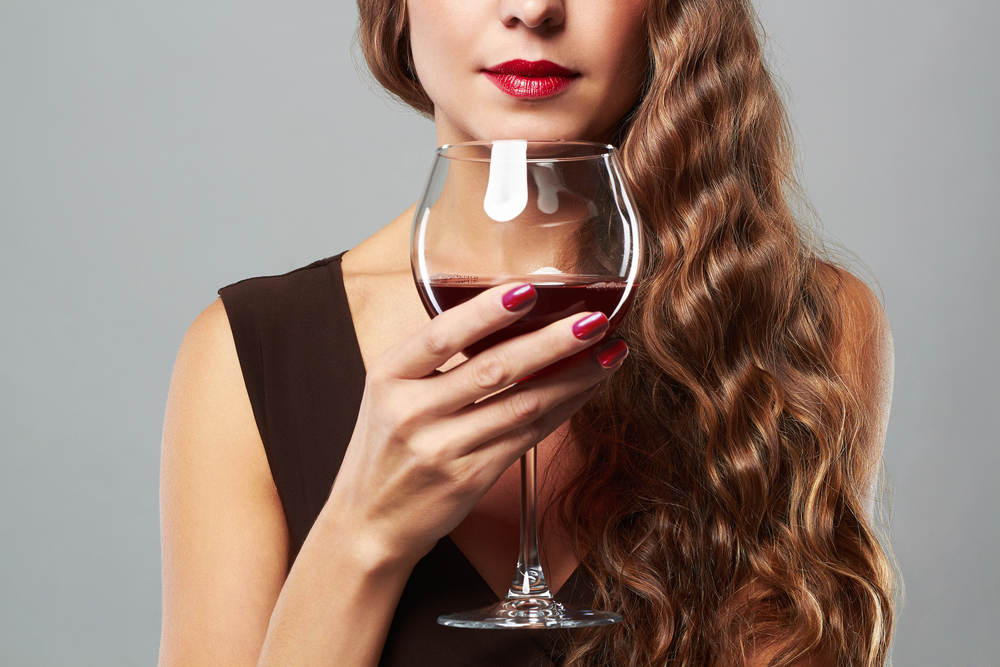
For most healthy adults, a single standard drink (e.g., one 5 oz glass of wine) is unlikely to cause major problems or ruin long‑term results. However, it can slightly increase the chance of mild bruising or transient swelling—especially if you bruise easily or received multiple injections. People on blood‑thinning medications, those with clotting disorders, or anyone combining alcohol with multiple facial procedures should be more cautious; even one drink could meaningfully raise bruising risk in these cases.
Evidence and Clinical Practice Recommendations
Direct randomized trials studying post‑Botox alcohol consumption are limited, but clinical consensus and general evidence about alcohol’s effect on bleeding support conservative guidance. Most aesthetic practitioners recommend avoiding alcohol for 24–72 hours after injections and often advise abstaining for 24 hours before treatment as well. These practices aim to minimize bruising and help the provider evaluate early results accurately.
Practical Aftercare Tips
- Wait at least 24 hours: This is the common minimum recommendation to lower bruising and swelling risk. - Consider waiting 48–72 hours: If you bruise easily, are taking blood thinners, or had extensive injections, a longer abstinence is safer. - Avoid blood‑thinning supplements and NSAIDs: Refrain from aspirin, ibuprofen, high‑dose fish oil, and vitamin E around the procedure unless directed by your physician. - Use cold compresses carefully: Short intervals of gentle icing after treatment can reduce swelling—don’t apply heavy pressure over injection sites. - Stay hydrated and rest: Good hydration and sleep support recovery and reduce inflammatory responses. - Inform your injector: Tell them about medications, supplements, and your bruising history so they can tailor technique and aftercare.
When One Drink May Be More Risky
- If you take anticoagulants, antiplatelet drugs, or have a bleeding disorder; - If you recently had multiple cosmetic procedures (fillers, lasers, microneedling) during the same visit; - If you are a known “frequent bruiser” or have a history of excessive bruising after injections. In these situations, even a single drink can appreciably increase complication risk and should be avoided per your provider’s guidance.
https://theaestheticmuse.weebly.com...filler-how-it-creates-natural-precise-results
Conclusion
“Can one drink ruin your results?” — unlikely in most healthy patients. Alcohol does not inactivate Botox, but it can increase bruising, swelling, and early‑stage complications that affect how your results look during recovery. To be safe, avoid alcohol for at least 24 hours after treatment (48–72 hours if you bruise easily or have other risk factors), follow your provider’s instructions, and inform them about medications or supplements you use. Want a printable post‑Botox care checklist to bring to your appointment?
Does Alcohol Inactivate Botox?
Short answer: No. Alcohol does not chemically deactivate Botox in the muscle. Botulinum toxin binds at the neuromuscular junction, and a single drink will not remove it or reverse its action. The main concern with alcohol is its effect on blood vessels and clotting—factors that influence bruising and inflammation around injection sites, not the efficacy of the toxin itself.
https://aestheticsurgeryvietnam.com/can-you-drink-alcohol-after-botox
Main Risks of Drinking After Botox
- Increased bruising: Alcohol is a vasodilator and can thin the blood, making capillaries near injection sites more likely to rupture and form bruises. - More swelling and redness: Greater blood flow can intensify immediate inflammatory reactions, prolonging visible recovery. - Harder early assessment: Drinking soon after treatment can mask early results and complicate your injector’s ability to judge whether a touch‑up is needed. - Interaction with medications/supplements: When combined with anticoagulants or supplements that affect clotting (e.g., high‑dose fish oil, vitamin E), alcohol can significantly raise bleeding risk.
How Much Risk Does One Drink Pose?
For most healthy adults, a single standard drink (e.g., one 5 oz glass of wine) is unlikely to cause major problems or ruin long‑term results. However, it can slightly increase the chance of mild bruising or transient swelling—especially if you bruise easily or received multiple injections. People on blood‑thinning medications, those with clotting disorders, or anyone combining alcohol with multiple facial procedures should be more cautious; even one drink could meaningfully raise bruising risk in these cases.
Evidence and Clinical Practice Recommendations
Direct randomized trials studying post‑Botox alcohol consumption are limited, but clinical consensus and general evidence about alcohol’s effect on bleeding support conservative guidance. Most aesthetic practitioners recommend avoiding alcohol for 24–72 hours after injections and often advise abstaining for 24 hours before treatment as well. These practices aim to minimize bruising and help the provider evaluate early results accurately.
Practical Aftercare Tips
- Wait at least 24 hours: This is the common minimum recommendation to lower bruising and swelling risk. - Consider waiting 48–72 hours: If you bruise easily, are taking blood thinners, or had extensive injections, a longer abstinence is safer. - Avoid blood‑thinning supplements and NSAIDs: Refrain from aspirin, ibuprofen, high‑dose fish oil, and vitamin E around the procedure unless directed by your physician. - Use cold compresses carefully: Short intervals of gentle icing after treatment can reduce swelling—don’t apply heavy pressure over injection sites. - Stay hydrated and rest: Good hydration and sleep support recovery and reduce inflammatory responses. - Inform your injector: Tell them about medications, supplements, and your bruising history so they can tailor technique and aftercare.
When One Drink May Be More Risky
- If you take anticoagulants, antiplatelet drugs, or have a bleeding disorder; - If you recently had multiple cosmetic procedures (fillers, lasers, microneedling) during the same visit; - If you are a known “frequent bruiser” or have a history of excessive bruising after injections. In these situations, even a single drink can appreciably increase complication risk and should be avoided per your provider’s guidance.
https://theaestheticmuse.weebly.com...filler-how-it-creates-natural-precise-results
Conclusion
“Can one drink ruin your results?” — unlikely in most healthy patients. Alcohol does not inactivate Botox, but it can increase bruising, swelling, and early‑stage complications that affect how your results look during recovery. To be safe, avoid alcohol for at least 24 hours after treatment (48–72 hours if you bruise easily or have other risk factors), follow your provider’s instructions, and inform them about medications or supplements you use. Want a printable post‑Botox care checklist to bring to your appointment?