

- Tham gia
- 11/2/26
- Bài viết
- 24
- Thích
- 0
- Điểm
- 1
Botox is a well‑established option for treating focal hyperhidrosis (excessive sweating), especially in the underarms. Many patients ask: how long do the effects last and when will sweating return? This SEO‑optimized guide explains expected duration, factors that influence longevity, typical timelines for retreatment, and what to expect after injections so you can plan care with confidence.
How Botox Reduces Sweating
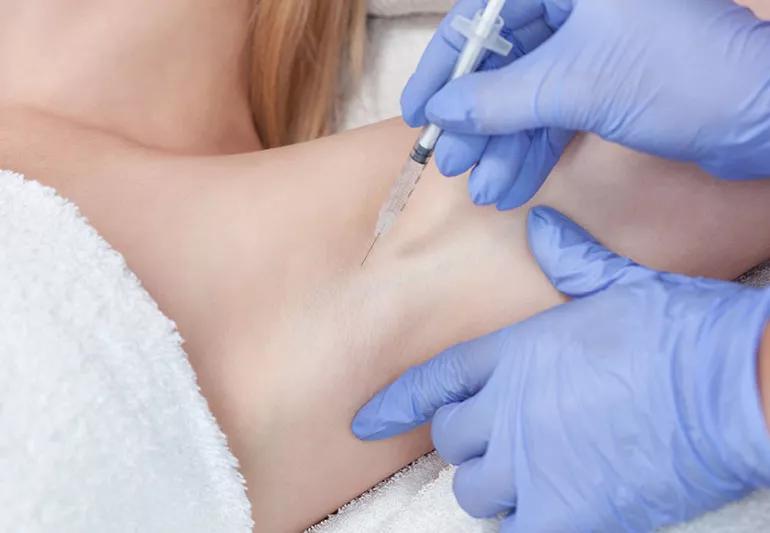
Botox (onabotulinumtoxinA) reduces sweating by blocking acetylcholine release at sympathetic nerve endings that activate sweat glands. When injected into the skin near overactive glands, the toxin temporarily interrupts the nerve signals that trigger sweat production. Because nerve terminals regenerate function over time, the effect is not permanent but can provide months of relief.
https://aestheticsurgeryvietnam.com/how-does-botox-for-sweating
Typical Duration of Effect
- Average: Most patients experience significant reduction in sweating for about 4 to 6 months after axillary (underarm) treatment. - Range: Many people enjoy relief lasting 6 to 9 months, and some report effects that extend to 12 months. Individual responses vary. - Palms and soles: Treatments for palmar (hands) or plantar (feet) hyperhidrosis may have similar or slightly shorter durations and can be more uncomfortable to receive. Palmar injections sometimes produce shorter effect windows and carry a higher chance of transient hand weakness.
Factors That Influence How Long Botox Lasts
- Dose and injection technique: Higher total units and precise mapping of sweat zones tend to prolong effectiveness. Experienced injectors use careful dilution and spacing to maximize coverage. - Individual biology: Metabolic rate, muscle and gland activity, and rate of nerve terminal recovery differ between patients and can change how long the effect lasts. - Area treated: Axillary treatments generally last longer than palmar or plantar injections. Skin thickness and gland density affect uptake and duration. - Repeated treatments: Many patients find repeat treatments at appropriate intervals can extend symptom‑free periods; some evidence suggests slight prolongation of response with serial treatments. - Lifestyle and medications: Certain medications or medical conditions that accelerate nerve regeneration or alter neuromuscular function may influence duration. Discuss your full medical history with your provider.
What to Expect After Treatment
- Onset: Reduced sweating often begins within 2–5 days after injections, with maximal benefit by 1–2 weeks. - Peak effect: Most patients experience the strongest reduction in the first 1–3 months. - Waning: Gradual return of sweating typically starts after several months; some notice a slow increase, others a more abrupt return. - Sensations and side effects: Mild injection‑site pain, bruising, or temporary localized weakness (more likely in palm injections) may occur. Serious adverse effects are rare when treatments are performed by trained clinicians.
Retreatment Timing and Strategy
- When to retreat: Most providers recommend retreating when sweating returns to a bothersome level, often around 4–9 months after the previous treatment. Scheduling before full return symptoms can help maintain consistent control. - Customization: Your provider will tailor dosing and mapping based on prior response, area treated, and tolerance. Over time, some patients require fewer units for similar benefit, while others need consistent dosing.
Cost and Insurance Considerations
- Cost varies by clinic, units used, and treatment area. Axillary treatments are commonly billed per area or per unit. - Coverage: Insurance may reimburse Botox for medically diagnosed hyperhidrosis in many cases—obtain documentation and preauthorization when necessary. Discuss billing and potential coverage with your provider.
When to See a Provider
Consult your clinician if sweating returns suddenly, if you experience unexpected side effects (severe weakness, infection signs), or if you want to plan a personalized retreatment schedule. A follow‑up visit helps optimize dosing and mapping for better longevity.
https://sites.google.com/view/aesth...rmal-filler/How-Often-Do-You-Have-to-Do-Botox
Conclusion
“Does Botox for sweating really last?” — yes, for most patients Botox offers meaningful sweat reduction lasting roughly 4–9 months, with many enjoying effects up to a year. Duration depends on dose, technique, treatment area, and individual biology. Work with an experienced provider to set expectations, plan retreatment timing, and maximize long‑term control of hyperhidrosis. Would you like a printable timeline and questions checklist to bring to your consultation?
How Botox Reduces Sweating
Botox (onabotulinumtoxinA) reduces sweating by blocking acetylcholine release at sympathetic nerve endings that activate sweat glands. When injected into the skin near overactive glands, the toxin temporarily interrupts the nerve signals that trigger sweat production. Because nerve terminals regenerate function over time, the effect is not permanent but can provide months of relief.
https://aestheticsurgeryvietnam.com/how-does-botox-for-sweating
Typical Duration of Effect
- Average: Most patients experience significant reduction in sweating for about 4 to 6 months after axillary (underarm) treatment. - Range: Many people enjoy relief lasting 6 to 9 months, and some report effects that extend to 12 months. Individual responses vary. - Palms and soles: Treatments for palmar (hands) or plantar (feet) hyperhidrosis may have similar or slightly shorter durations and can be more uncomfortable to receive. Palmar injections sometimes produce shorter effect windows and carry a higher chance of transient hand weakness.
Factors That Influence How Long Botox Lasts
- Dose and injection technique: Higher total units and precise mapping of sweat zones tend to prolong effectiveness. Experienced injectors use careful dilution and spacing to maximize coverage. - Individual biology: Metabolic rate, muscle and gland activity, and rate of nerve terminal recovery differ between patients and can change how long the effect lasts. - Area treated: Axillary treatments generally last longer than palmar or plantar injections. Skin thickness and gland density affect uptake and duration. - Repeated treatments: Many patients find repeat treatments at appropriate intervals can extend symptom‑free periods; some evidence suggests slight prolongation of response with serial treatments. - Lifestyle and medications: Certain medications or medical conditions that accelerate nerve regeneration or alter neuromuscular function may influence duration. Discuss your full medical history with your provider.
What to Expect After Treatment
- Onset: Reduced sweating often begins within 2–5 days after injections, with maximal benefit by 1–2 weeks. - Peak effect: Most patients experience the strongest reduction in the first 1–3 months. - Waning: Gradual return of sweating typically starts after several months; some notice a slow increase, others a more abrupt return. - Sensations and side effects: Mild injection‑site pain, bruising, or temporary localized weakness (more likely in palm injections) may occur. Serious adverse effects are rare when treatments are performed by trained clinicians.
Retreatment Timing and Strategy
- When to retreat: Most providers recommend retreating when sweating returns to a bothersome level, often around 4–9 months after the previous treatment. Scheduling before full return symptoms can help maintain consistent control. - Customization: Your provider will tailor dosing and mapping based on prior response, area treated, and tolerance. Over time, some patients require fewer units for similar benefit, while others need consistent dosing.
Cost and Insurance Considerations
- Cost varies by clinic, units used, and treatment area. Axillary treatments are commonly billed per area or per unit. - Coverage: Insurance may reimburse Botox for medically diagnosed hyperhidrosis in many cases—obtain documentation and preauthorization when necessary. Discuss billing and potential coverage with your provider.
When to See a Provider
Consult your clinician if sweating returns suddenly, if you experience unexpected side effects (severe weakness, infection signs), or if you want to plan a personalized retreatment schedule. A follow‑up visit helps optimize dosing and mapping for better longevity.
https://sites.google.com/view/aesth...rmal-filler/How-Often-Do-You-Have-to-Do-Botox
Conclusion
“Does Botox for sweating really last?” — yes, for most patients Botox offers meaningful sweat reduction lasting roughly 4–9 months, with many enjoying effects up to a year. Duration depends on dose, technique, treatment area, and individual biology. Work with an experienced provider to set expectations, plan retreatment timing, and maximize long‑term control of hyperhidrosis. Would you like a printable timeline and questions checklist to bring to your consultation?