
- Tham gia
- 23/2/26
- Bài viết
- 19
- Thích
- 0
- Điểm
- 1
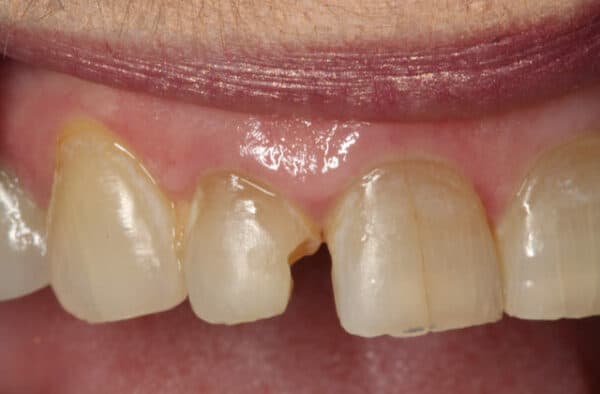
When we talk about dental work, the conversation usually focuses on the "Hollywood" result. However, my perspective is that we should be focusing much more on the "mechanical" reality of our mouths. I’ve been following the dental industry for years, and I’ve noticed that the phrase chipped porcelain crowns is often met with a "wait and see" attitude from patients, as if it’s just a small cosmetic flaw. My observation is that this is a classic case of ignoring a symptom of a larger problem: your bite is likely out of alignment.
In many parts of the world, we are told that "porcelain is as strong as a real tooth." But as the NHS and other health boards frequently remind us, it’s actually a brittle glass. When you have chipped porcelain crowns, it’s usually because the tooth is taking too much "lateral" force. I’ve made an observation that patients who simply have their dentist "smooth out" the chip often find that the tooth chips again six months later. This isn't just about the tooth; it's about the "occlusion."
For those looking to research the market standards and find a reputable starting point for understanding these restorative issues, this link provides a good baseline for expectations:
Read more: https://dentalinvietnam.com/chipped-tooth-crown/
 The Maintenance Factor and Self-Care Strategy
One thing I always tell friends is that you have to look at the "foundation" that's left. I’ve often noticed that when patients ask about chipped porcelain crowns, they are also struggling with "gum recession." Pro tip: a chip creates a "ledge" where plaque can hide. If you don't keep that area perfectly clean, you'll end up with a cavity under the crown. I’ve found that starting with a really clean oral environment is key to the whole process:
See more: https://dilysnt.github.io/Blog/chipped-porcelain-crowns.html
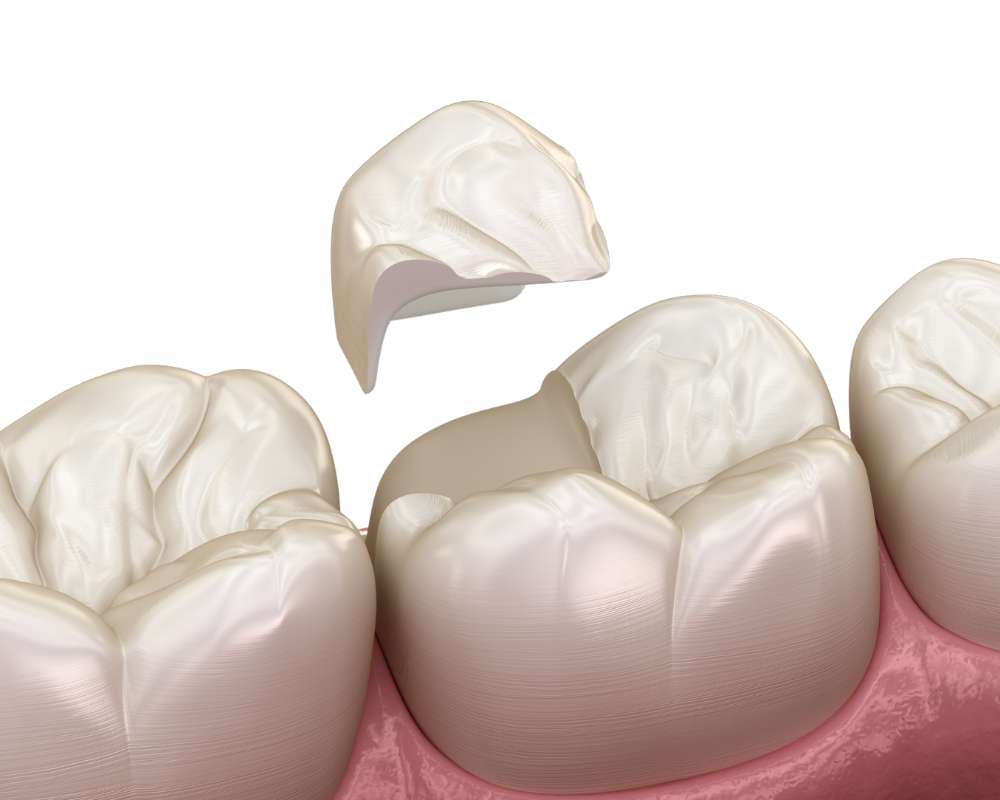 I’ve also observed that "diet" is a hidden factor. People chew on ice or olive pits and act surprised when their ceramic snaps. Ironically, the hardest substances in our mouth are often the most prone to "shattering" when hit at the wrong angle. Ultimately, I’d rather have a patient who is "over-informed" and knows that their crown is a piece of medical engineering than one who is surprised by a broken tooth on a Saturday night. We are living in an era where clinical expertise is global, but the patient must remain the primary guardian of their own safety. Don't let a "it's just a small chip" mentality be the only thing that guides your choice.
Health Note: These personal observations are for discussion only. Every person's mouth and bite force are different. Please visit a dentist to confirm the status of your restorations before attempting any self-maintenance.
In many parts of the world, we are told that "porcelain is as strong as a real tooth." But as the NHS and other health boards frequently remind us, it’s actually a brittle glass. When you have chipped porcelain crowns, it’s usually because the tooth is taking too much "lateral" force. I’ve made an observation that patients who simply have their dentist "smooth out" the chip often find that the tooth chips again six months later. This isn't just about the tooth; it's about the "occlusion."
For those looking to research the market standards and find a reputable starting point for understanding these restorative issues, this link provides a good baseline for expectations:
Read more: https://dentalinvietnam.com/chipped-tooth-crown/
One thing I always tell friends is that you have to look at the "foundation" that's left. I’ve often noticed that when patients ask about chipped porcelain crowns, they are also struggling with "gum recession." Pro tip: a chip creates a "ledge" where plaque can hide. If you don't keep that area perfectly clean, you'll end up with a cavity under the crown. I’ve found that starting with a really clean oral environment is key to the whole process:
See more: https://dilysnt.github.io/Blog/chipped-porcelain-crowns.html
Health Note: These personal observations are for discussion only. Every person's mouth and bite force are different. Please visit a dentist to confirm the status of your restorations before attempting any self-maintenance.